
Although there is no single risk factor that is dominant, the more vulnerabilities a person has, the more likely the person is to develop alcohol-related problems as a result of alcohol consumption. Poorer individuals experience greater health and social harms from alcohol consumption than more affluent individuals. For example, any amount of drinking increases the risk of breast cancer and colorectal cancer. If you drink heavily for a long time, alcohol can affect how your brain looks and works.

People who choose not to drink make that choice for the same reasons. Knowing your personal risk based on your habits can help you make the best decision for you. When you stop drinking, you might notice a range of physical, emotional, or mental health symptoms that ease as soon as you have a drink. Alcohol use can factor into mental health symptoms that closely resemble those of other mental health conditions.
Inflammatory damage
The side effects often only appear after the damage has happened. But more recent research suggests there’s really no “safe” amount of alcohol since even moderate drinking can negatively impact brain health. Along with the hormone changes that alcohol triggers, that can keep your body from building new bone. Your bones get thinner and more fragile, a condition called osteoporosis.
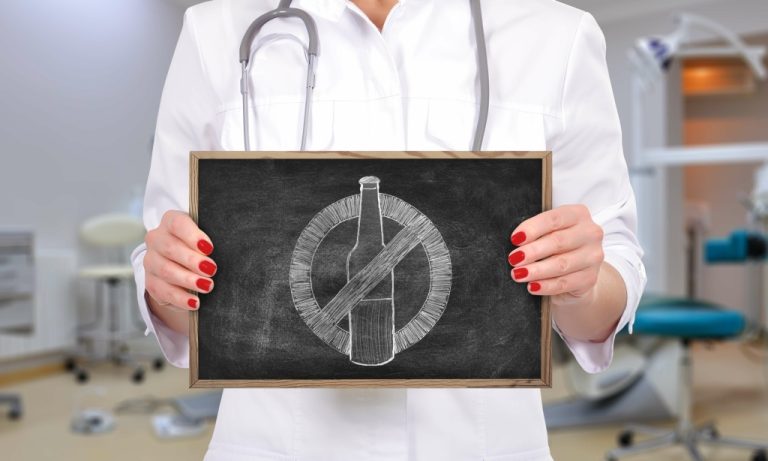
This is because women’s bodies process alcohol differently than men’s bodies do. Women have lower levels of the stomach enzyme that neutralizes alcohol before it moves into the bloodstream. This article discusses the physiological and psychological effects of alcohol and how to change your drinking habits. There is an expanding market of no- and low-alcohol beverages (NoLos).
Short-Term Health Risks
It also has a dramatic impact on personality and can bring on irritability, hostility, and aggression. A young person who drinks alcohol is also more likely to experiment with other drugs, and to run the risk of becoming addicted to them. To avoid driving after consuming alcohol, it’s helpful to designate a nondrinking driver, or to use public transportation. No one should ever ride in a car with a driver who has been drinking. Drink for drink, women accumulate more alcohol in their bloodstreams than men do.
- Alcohol can cause problems in relationships, such as conflicts, communication problems, and trust issues.
- Alcoholics Anonymous is available almost everywhere and provides a place to openly and nonjudgmentally discuss alcohol issues with others who have alcohol use disorder.
- Women have lower levels of the stomach enzyme that neutralizes alcohol before it moves into the bloodstream.
It usually takes the liver about an hour to remove one unit of alcohol from the body. Your liver, which filters alcohol out of your body, will be unable to remove all of the alcohol overnight, so it’s likely you’ll wake with a hangover. The alcohol also impairs the cells in your nervous system, making you feel lightheaded and adversely affecting your reaction time and co-ordination. Dr. Anand stresses the importance of drinking in moderation, if at all. There’s also more of an effect on your brain and its development if you’re younger — one that can have a lasting impact. Cocktails mixed in a bar are a mystery – there’s no way to know how many “drinks” are in that glass.
A public health perspective on zero- and low-alcohol beverages
While giving up alcohol can be a challenge, it’s important to remember that the benefits are well worth it. John C. Umhau, MD, MPH, CPE is board-certified in addiction medicine and preventative medicine. For over 20 years Dr. Umhau was a senior clinical investigator at the National Institute on Alcohol Abuse and Alcoholism of the National Institutes of Health (NIH). Alcohol poisoning can cause a person to fall into a coma and could lead to their death. The excess amount of alcohol in your system can also upset your digestion, leading to symptoms of nausea, vomiting, diarrhoea and indigestion. For more advice on talking to your teen and strategies for preventing alcohol use and abuse, visit the website of the National Institute on Alcohol Abuse and Alcoholism.
- For many of us, alcohol is embedded in our social and cultural activities.
- Lowered inhibitions can lead to poor choices with lasting repercussions — like the end of a relationship, an accident or legal woes.
- In many of today’s societies, alcoholic beverages are a routine part of the social landscape for many in the population.
- If you drink heavily for a long time, alcohol can affect how your brain looks and works.
- There are gender differences in alcohol-related mortality and morbidity, as well as levels and patterns of alcohol consumption.
Depending on how often you drink and how much, you may need support from a healthcare professional if you want to stop drinking. Drinking alcohol on a regular basis can also effects of alcohol on the body lead to dependence, which means your body and brain have grown used to alcohol’s effects. A weakened immune system has a harder time protecting you from germs and viruses.
Finding treatment for alcohol use disorder
[17] There was no association with folate and increased breast cancer risk among women who drank low or no alcohol daily. Conversely, other recent data suggest a lower risk for dementia in people consuming a few alcoholic beverages a day. This includes a 2022 study showing that in around 27,000 people, consuming up to 40 grams of alcohol (around 2.5 drinks) a day was linked to a lower risk for dementia versus abstinence in adults over age 60. A much larger study of almost 4 million people in Korea noted that mild to moderate alcohol consumption was linked to a lower risk for dementia compared to non-drinking. A recent successful effort in the U.S. to launch an international study was funded by the National Institutes of Health. Although the proposal was peer-reviewed and initial participants had been randomized to drink in moderation or to abstain, post hoc the NIH decided to stop the trial due to internal policy concerns.- So, giving up alcohol can help your skin to look more hydrated and glowing.
- Binge drinking is behavior that raises blood alcohol levels to 0.08%.

